
Products and promotions may differ based on your selected region.
OEM Solutions
Nikon provides OEM manufacturers with access to a comprehensive portfolio of optical components, microscopy technologies, and imaging solutions. Engineered for performance, reliability, and integration flexibility, our components can be incorporated into Nikon systems or third-party equipment, enabling the development of customised solutions for a wide range of industrial and scientific applications.
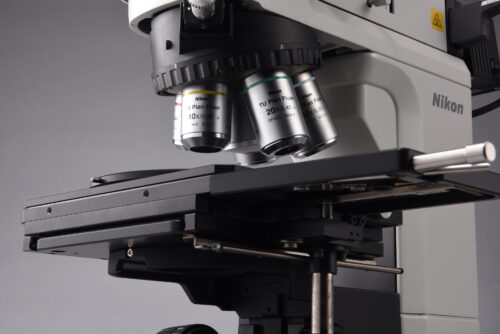
Optical expertise for your OEM application
Successful OEM integration requires a careful balance of optical performance, mechanical design, system constraints, and application requirements. Selecting the right component is only one part of the process.
With a proven portfolio of microscope objectives, optical components, and microscopy technologies, Nikon Metrology helps OEM manufacturers bring advanced imaging capabilities to their products. From initial consultation through system integration, our OEM specialists provide expert guidance and technical support to help accelerate development and reduce implementation risks.
Find the right objective lens for your application
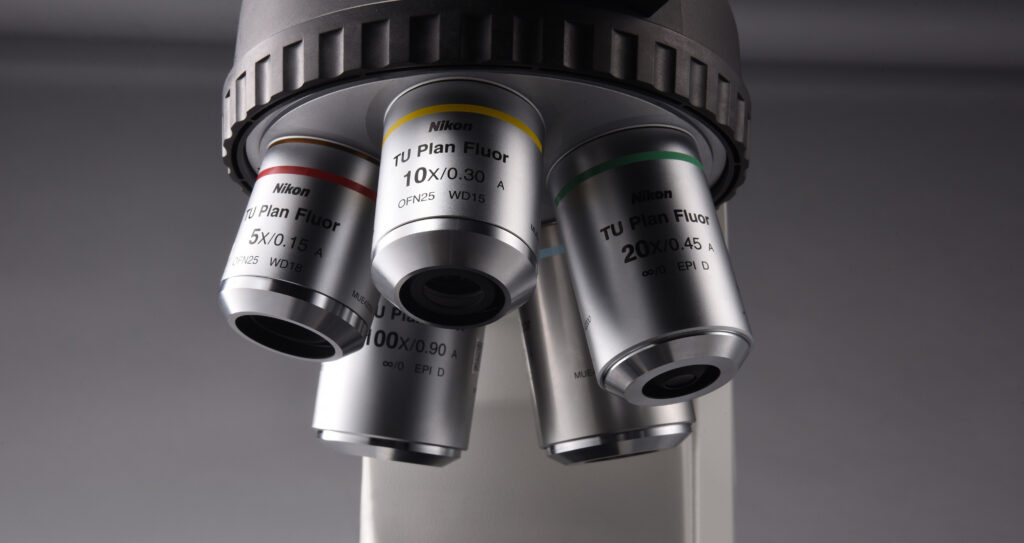
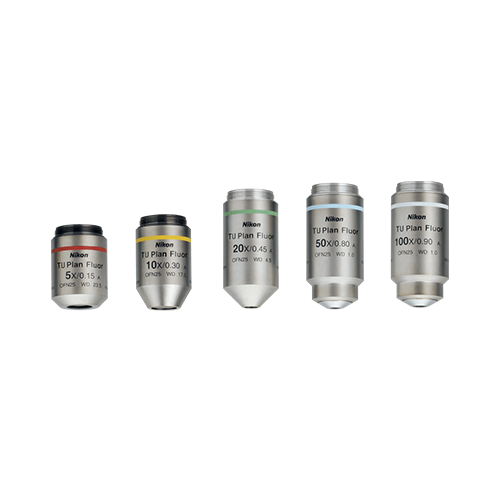
The objective lens is a fundamental element of an imaging system, directly impacting resolution, magnification, numerical aperture, working distance, and field of view.
Nikon offers a broad portfolio of microscope objectives for diverse imaging and inspection applications. Use the Objective Lens Selector to compare specifications, explore available options, and identify the most suitable objective for your system requirements.
Microscopy components designed for system integration
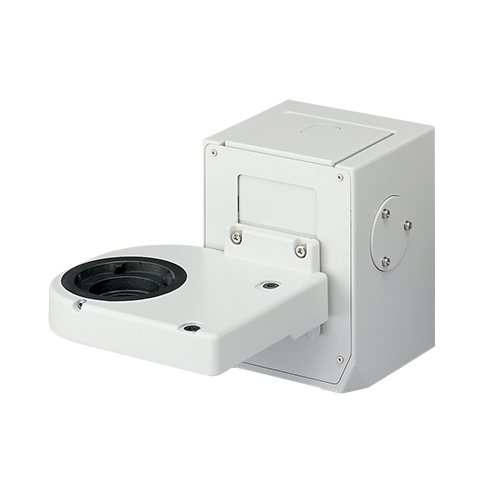
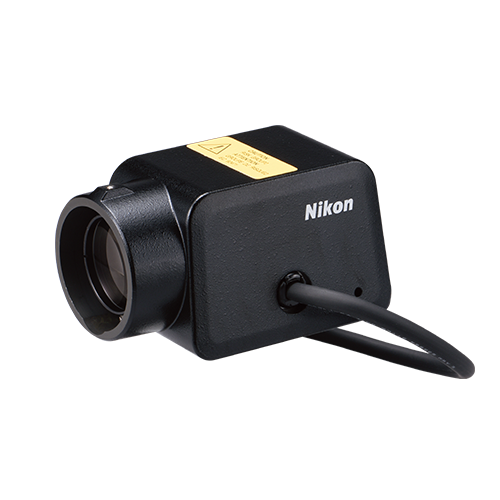
Depending on your application and system requirements, available components include focusing modules, bases and arms, motorised controllers, epi-illuminators, revolving nosepieces, eyepieces, camera mounts and observation tubes, together with other optical and mechanical components.
Partnering with Nikon Throughout Development
Every OEM project has different technical and commercial requirements.
Nikon can support you from initial application discussions through component selection, system integration, and implementation.
1. Discuss your requirements
Share your application, system architecture, optical requirements and project objectives with our OEM specialists.
2. Assess integration options
Work with our OEM specialists to identify suitable products. Evaluate technical specifications and CAD data to ensure seamless integration into your system.
3. Develop your solution
Work with Nikon specialists to address application-specific requirements and integration options as your solution takes shape.
FAQs
OEM microscopy components are optical, electronic, and mechanical parts, such as objective lenses and light sources, that are designed to be built into another company’s microscope or imaging instrument. Instrument manufacturers use them to speed up development and focus on their own system design. OEM components are typically supplied in volume with manufacturers, such as Nikon, offering integration support, such as CAD files, mounting options, and custom configurations.
Nikon provides a range of microscope objectives, optical components and modular microscopy technologies that can be considered for integration into OEM equipment and imaging systems. Nikon controls the entire optical value chain, from glass melting to the finished optical product, including coatings, optical design, optical tuning, and optical engineering. This end-to-end capability allows Nikon to develop optics that create real value for our customers and their applications.
Yes, Nikon components can be integrated into third-party equipment. OEM Specialists at Nikon will work with you to offer the best solution available.
Off-the-shelf products are standard brochure parts readily available for purchase. Custom products are designed or modified to your exact specifications. OEM products can be available for integrating into your product, and it can use standard parts, customised parts, or a mix of both.
Yes, components can be customised and modified to your exact specification. It starts with an initial meeting to define the requirements with the OEM.
Start with your application’s resolution and light-collection needs, then match the objective to your system’s optical and mechanical constraints. The five main factors are numerical aperture (NA), magnification, working distance (WD), aberration correction, and mechanical compatibility. Nikon recommends to consult with one of their optical specialists to ensure the right lens selection.
CAD data is available for selected components through Nikon’s CAD request process. This can help engineers evaluate component integration during system design. Please request CAD data via the Enquiry button for your required components.
Providing details such as your intended application, required optical performance, system constraints, anticipated quantities and project timeline can help Nikon assess your requirements.
The process is very indiviual depending on the OEM’s needs and requirements, but it always starts with an initial meeting. Nikon controls the entire optical value chain, from glass melting to the finished optical product, including coatings, optical design, optical tuning, and optical engineering. This end-to-end capability allows Nikon to develop optics that create real value for our customers and their applications.

Discuss Your Microscopy OEM Requirements
Whether you are selecting an objective lens or a new imaging system or evaluating components for integration into existing equipment, Nikon’s OEM specialists can help you identify the next step.
Talk to our team about your application, technical requirements and project objectives.